

Yoga in The Nest
Yin Yoga
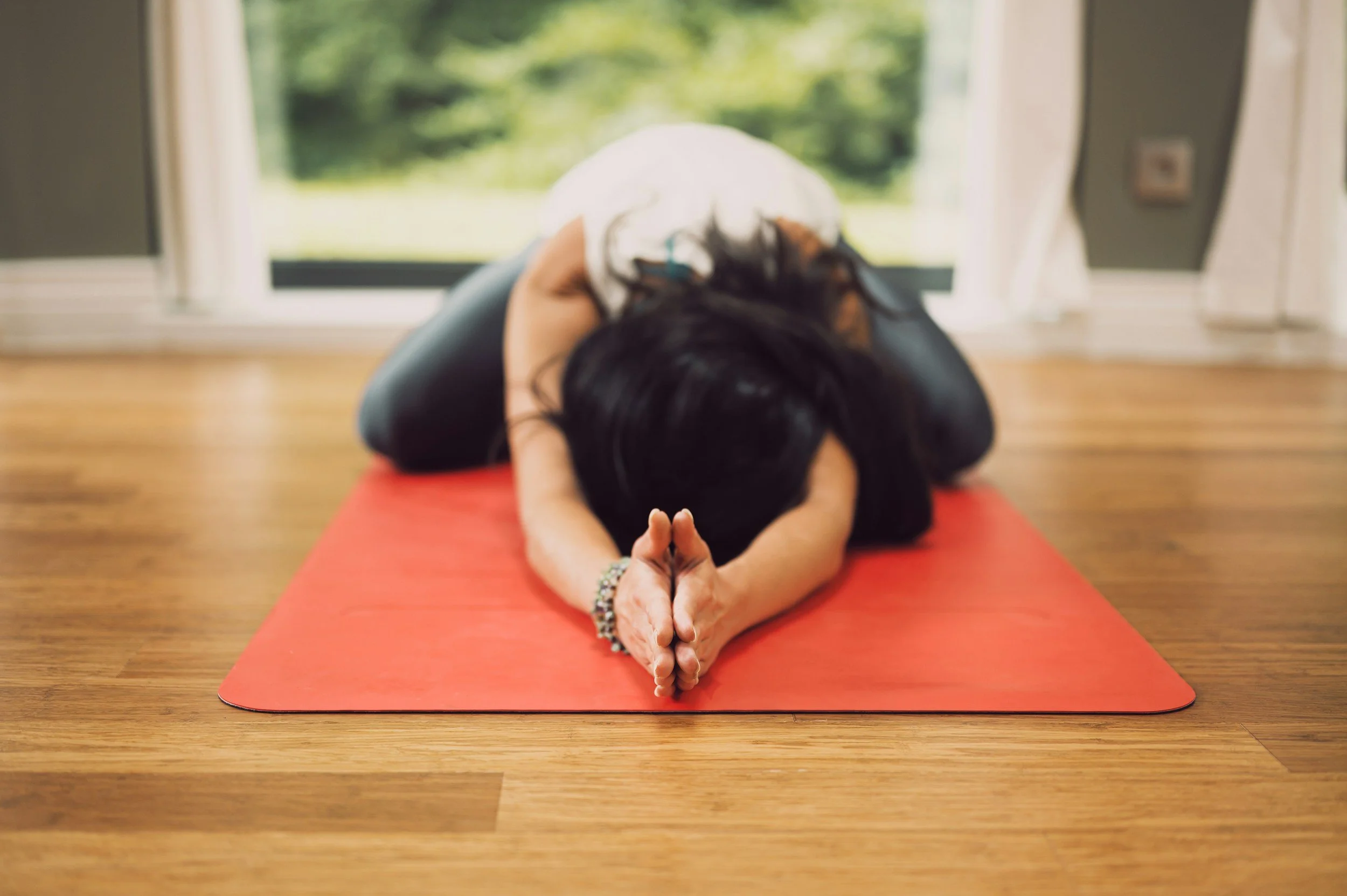
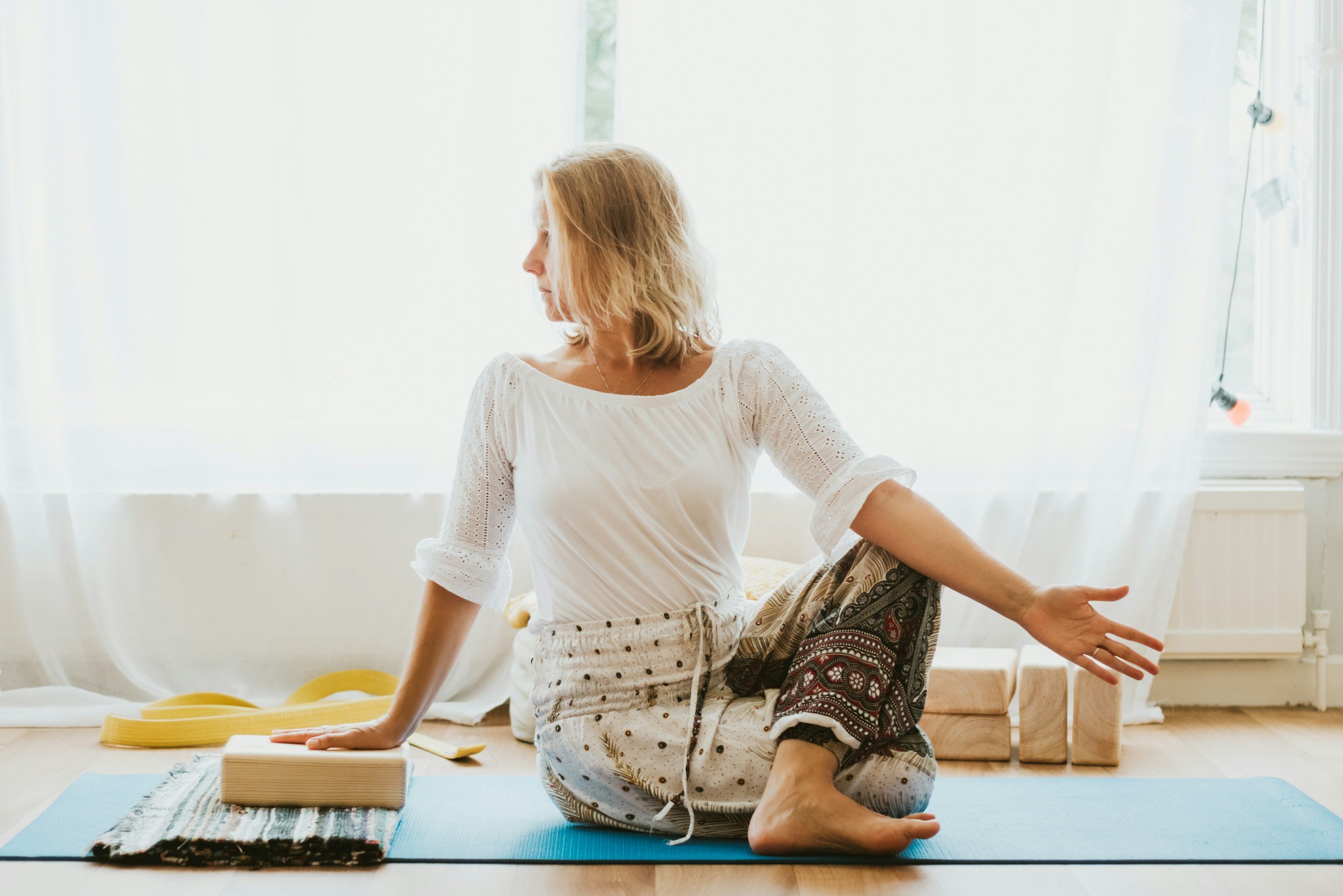
Yin yoga is a slow-paced style of yoga that targets the body’s deeper connective tissues—ligaments, tendons, fascia—and the joints rather than the larger, more active muscles. Poses are typically held for longer periods (commonly 2–5 minutes or more) with passive muscle engagement and mindful attention to breath and sensation. The practice emphasises stillness, relaxation and acceptance of whatever arises, often seated or supine, and draws on principles from Taoist philosophy, including the balance of yin (passive, cooling, inward) and yang (active, warming, outward) energies. Yin yoga is a restorative, slow practice that nurtures the body’s connective tissues, improves joint mobility, calms the nervous system and deepens bodily awareness. It serves as a gentle counterbalance to more active forms of movement and supports long-term resilience and relaxation.
Restorative Yoga
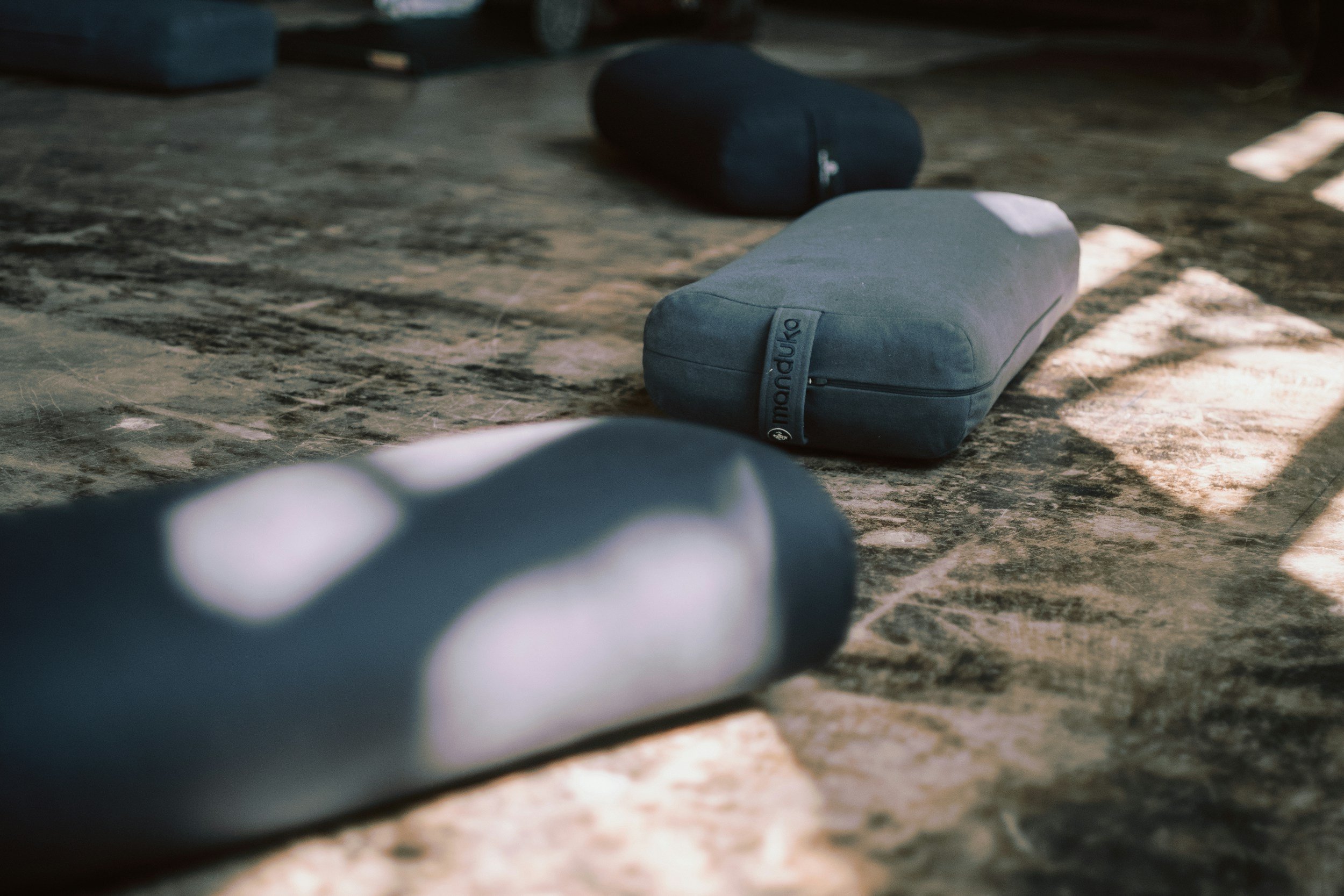
Restorative yoga is a slow, gentle practice designed to promote deep relaxation and support the body’s natural healing processes. It uses passive poses—often held for several minutes—supported by props such as bolsters, blankets, blocks and straps so muscles can fully release without effort. The emphasis is on stillness, mindful breathing and nervous system regulation rather than on strength or flexibility. Benefits can include reduced stress and anxiety, improved sleep, enhanced recovery from illness or injury, and a greater sense of calm and presence. It is well suited to people recovering from childbirth, those with fatigue or low energy, and anyone seeking a restorative complement to more active movement practices.
Yoga Nidra
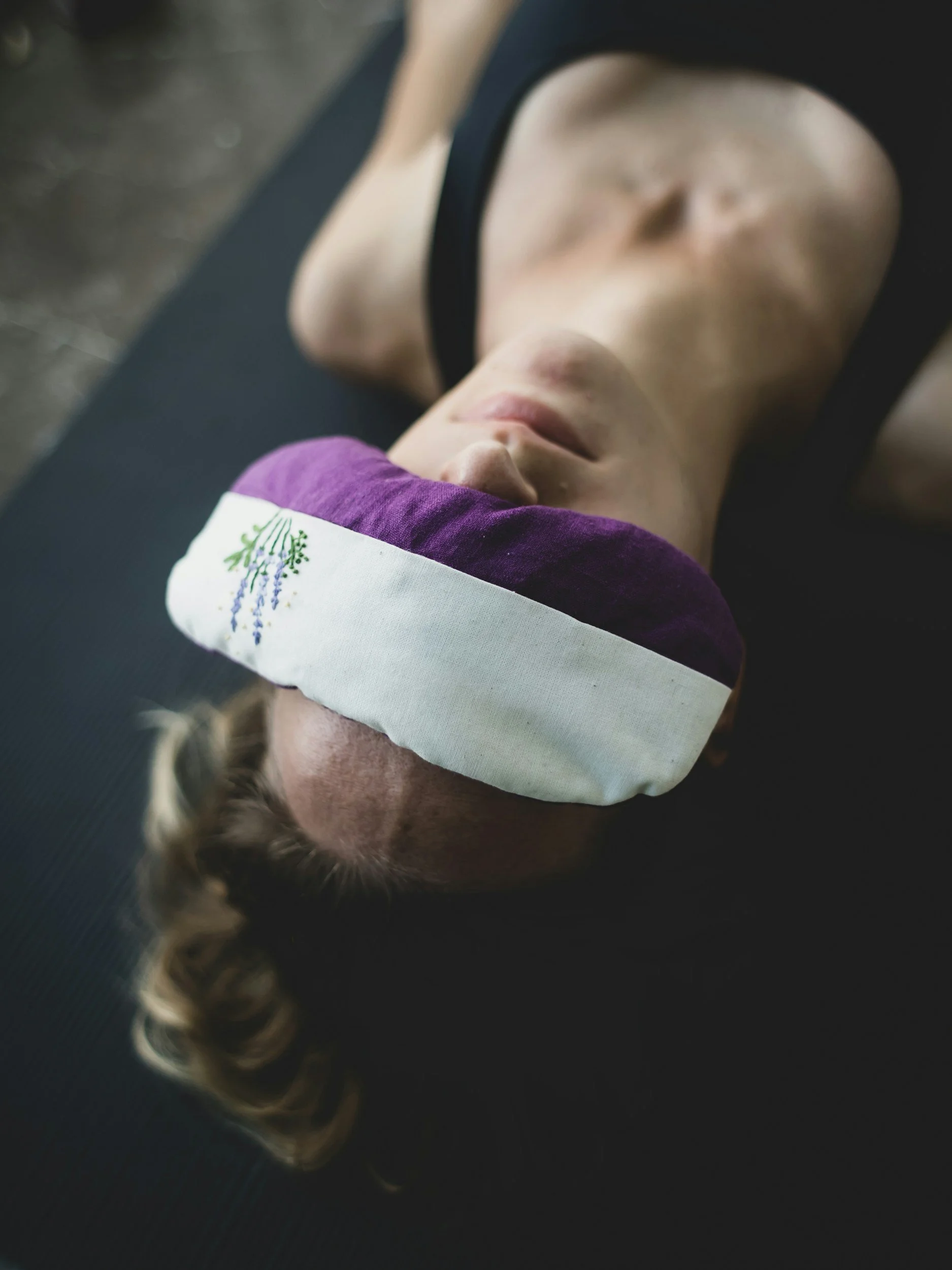
Yoga Nidra, often called yogic sleep, is a guided, meditative practice that leads you into a deeply relaxed, hypnagogic state between wakefulness and sleep. Lying comfortably, you are led through body awareness, breath sensing and visualisation without effortful concentration, which calms the nervous system and reduces stress hormones. Regular practice can lower anxiety, improve sleep quality, ease muscular tension and chronic pain, enhance emotional regulation and bolster restorative processes such as cellular repair and immune function, supporting overall physical and mental resilience.

Prenatal Yoga
Prenatal yoga adapts traditional yoga to support the changing body and mind during pregnancy. It combines gentle stretching, strengthening, breathing and relaxation techniques to reduce discomfort, improve posture and prepare the body for labour.
How it works
Physical support: Safe, modified poses strengthen core, back, pelvic floor and hips, which can ease common pregnancy issues such as back pain and pelvic girdle pain. Gentle stretches improve circulation and reduce stiffness.
Breathwork (pranayama): Focused breathing techniques increase oxygenation, calm the nervous system and teach rhythmic breathing patterns that many people find helpful during labour.
Pelvic awareness and control: Specific exercises and cues build awareness and gentle control of the pelvic floor and pelvic tilt, assisting both birth mechanics and postpartum recovery.
Balance and alignment: As the centre of gravity shifts, poses and simple balance work help maintain alignment and reduce the risk of falls and strain.
Relaxation and stress reduction: Guided relaxation and mindfulness lower stress hormones, support emotional wellbeing and improve sleep.
Adaptability and safety: Classes are tailored for each trimester and common pregnancy conditions; teachers use props (blocks, bolsters, straps) and offer alternatives to avoid compressing the belly or over-stretching ligaments loosened by pregnancy hormones.
Practically, a prenatal yoga session will move slowly, emphasise breathing and body awareness, include modifications for comfort, and finish with relaxation—helping both physical preparedness for birth and emotional resilience during pregnancy.